

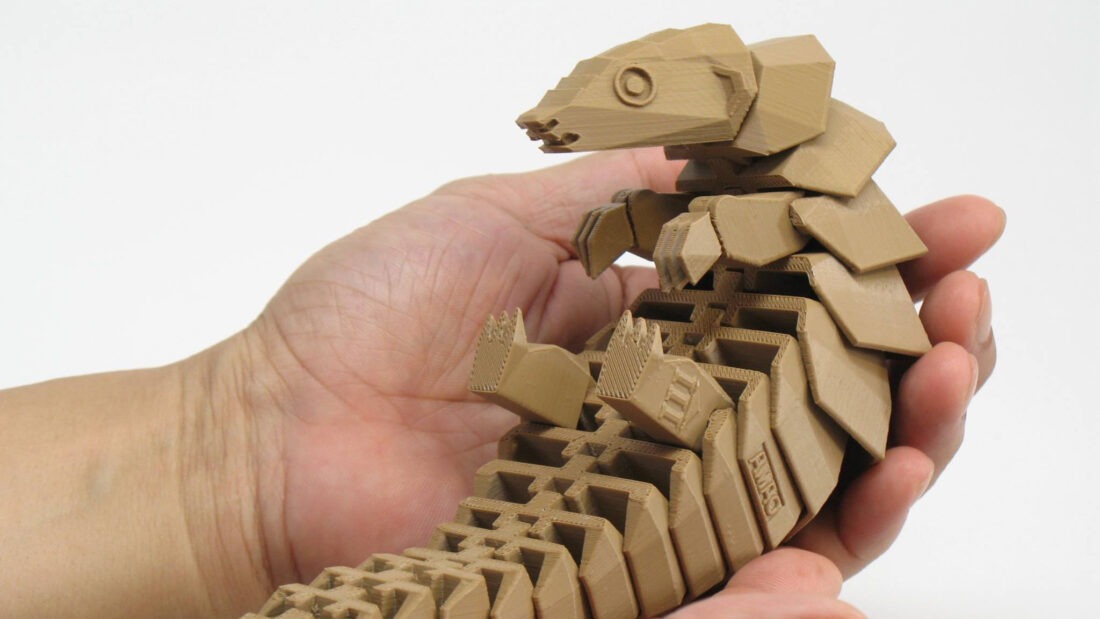
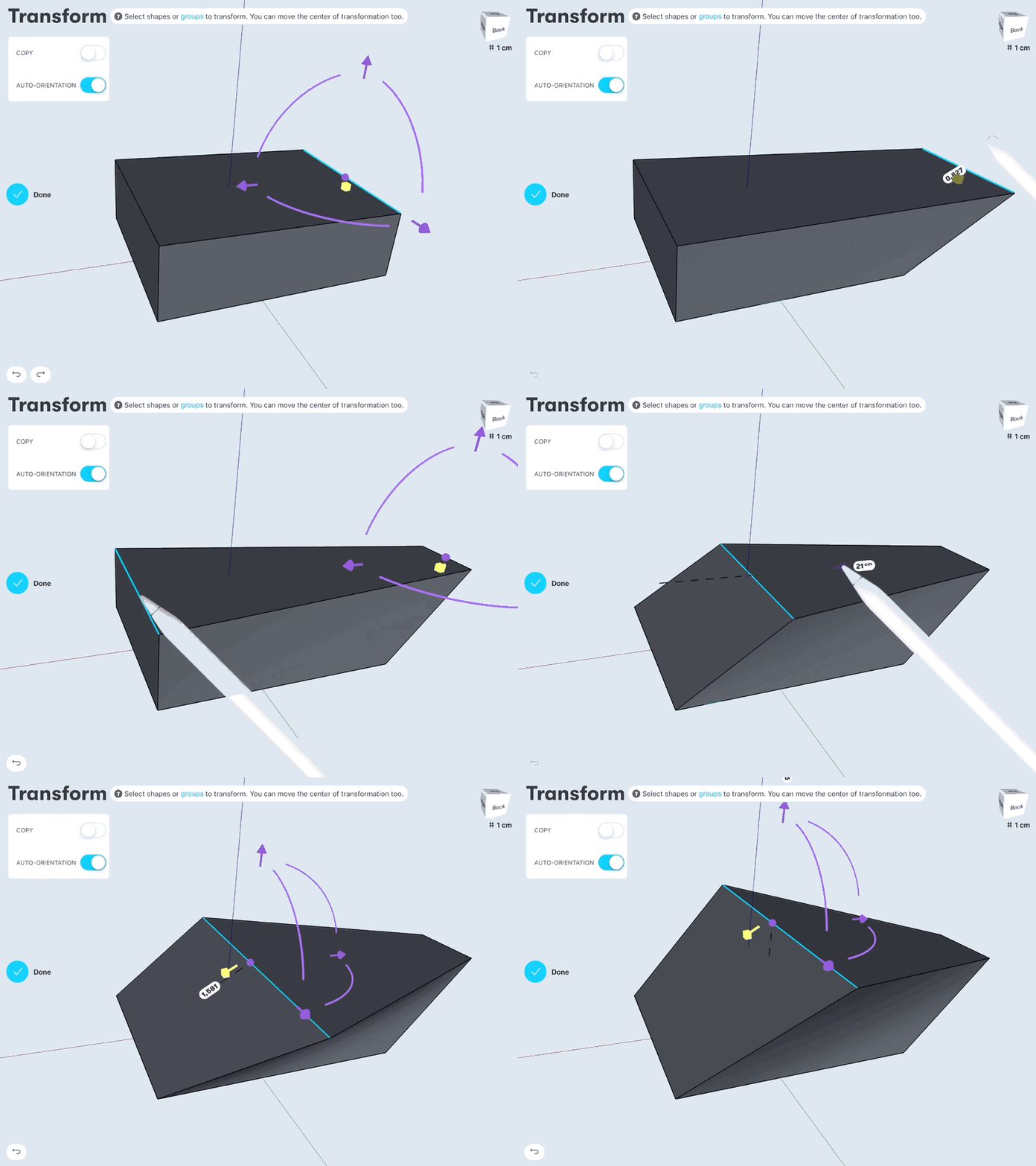
3D printing and CAD software couldn’t function without each other, they go together like a match made in pythonOCC. As 3D printing continues to build its freight train like momentum for home users and hobbyists, so too does the adoption of CAD software that can be both expensive and difficult to master. Software such as…




Realistic silicone sex dolls are made from platinum-cure silicone, a two-part elastomer that sets through an addition reaction into a soft, stable and skin-like material. The engineering challenge is to make that material feel human while it wraps a jointed metal skeleton and keeps fine surface detail for years. Soft, skin-like silicone is used far beyond adult products. Prosthetics, medical training models and film special effects rely on the same chemistry. Doll factories sit at an interesting point in that landscape, because they need softness, durability and fine detail in a single large casting. Key Takeaways Platinum-cure silicone sets by addition reaction and leaves no by-products behind. Softness is measured…

A new car may begin with a sketch, but it quickly becomes something much more complex. Long before teams stamp sheet metal or a battery pack hits an assembly line, they build, test, and refine much of the vehicle in a digital environment. Vehicle development is undergoing a clear shift: software is becoming just as important to building cars as traditional mechanical engineering. Automakers can now explore designs virtually, simulate system behavior, and test software before all the physical hardware is available. The result is a development process that can uncover more problems on a screen than on a costly prototype. AI Is Becoming an Engineering Partner Artificial intelligence has…

In-house fulfilment works until order volume, product complexity, or peak swings outgrow your space and staff. Outsourcing swaps fixed costs for variable ones but gives up some control. A small pilot with one product range is the safest way to test the move before committing. Most product businesses start by packing orders themselves, and that is usually the right call. The question is when the garage, the spare room, or the small unit stops being an advantage. The answer depends on a few easy-to-measure thresholds. At What Point Does In-House Fulfilment Stop Working? Three thresholds tend to arrive in the same order: volume, complexity, and peaks. Volume comes first, and…

A working electronics prototype can create a reassuring sense of progress. The enclosure fits, the firmware runs and the main functions perform as expected on the bench. For a product team, however, the next stage often exposes a different set of problems. The prototype may still contain hand-soldered modifications, temporary wiring, or components selected simply because they were available in small quantities. Production requires a repeatable design that can be manufactured, assembled, inspected and tested without relying on the engineer who built the first unit. A clear PCB handoff package gives the manufacturer enough information to quote and build the product accurately. Why a Working Prototype Is Still Far From…

Most engineers assume the FEA deck sitting on the shared drive is a private design artifact, an internal sketchpad protected by the same NDA that covers the CAD. But in a product liability case, that solver run is discoverable, and if it flagged a stress concentration or a resonance the shipped part still carries, it becomes one of the cleanest pieces of evidence a plaintiff can put in front of a jury. The simulation ran. The physical test that would have confirmed or refuted it didn’t. That contrast is the story. What follows is the arc that keeps showing up in expert reports: how a routine simulation done years before…

The search warrant hits the apartment at 6 a.m. Officers seize the printer, the spool of PLA, and the laptop still logged into the slicer’s cloud dashboard. By the time the suspect sits down with a lawyer that afternoon, a forensic examiner already has a printable list: every job queued in the last ninety days, the exact G-code sent to the printer for each one, the layer heights, the wall counts, the infill percentages, timestamps down to the second, and the account email the printer was registered to. The physical evidence in the room is a spool of plastic. The case sits on somebody else’s servers. Ghost gun prosecutions used…